
Choosing the Right Industrial Adhesive Tapes for Your Needs
- hightcompositestap
- Nov 21, 2025
- 3 min read
When it comes to industrial applications, the choice of adhesive tape can significantly impact the efficiency and quality of your projects. With a plethora of options available, selecting the right tape can feel overwhelming. This guide will help you navigate through the various types of industrial adhesive tapes, their applications, and how to choose the best one for your specific needs.

Understanding Industrial Adhesive Tapes
Industrial adhesive tapes are versatile tools used in a variety of applications, from manufacturing to construction. They are designed to bond materials together, provide insulation, or serve as protective barriers. Understanding the different types of tapes available is crucial for making an informed decision.
Types of Industrial Adhesive Tapes
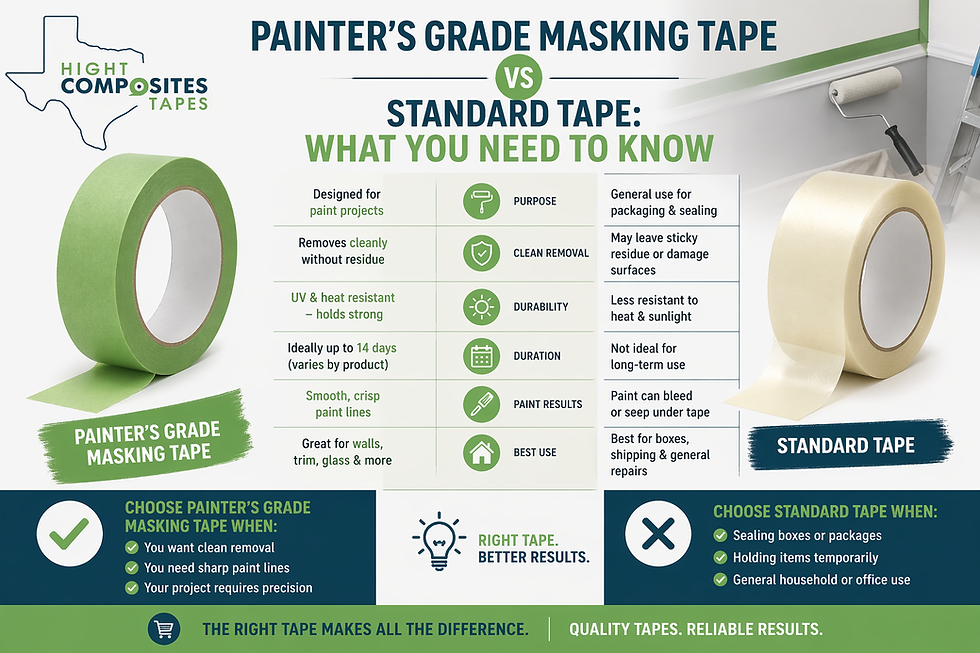
Masking Tape
Description: Typically made from paper, masking tape is used for painting and surface protection. It can be easily removed without leaving residue.
Applications: Ideal for automotive painting, woodworking, and general surface protection.
Duct Tape
Description: Known for its strong adhesive and durability, duct tape is made from a cloth backing coated with a polyethylene layer.
Applications: Commonly used for repairs, sealing, and even in HVAC applications.
Double-Sided Tape
Description: This tape has adhesive on both sides, allowing for a strong bond between two surfaces.
Applications: Used in mounting, splicing, and holding applications where visibility of the tape is not desired.
Electrical Tape
Description: Made from vinyl or rubber, electrical tape is designed to insulate electrical wires and connections.
Applications: Essential for electrical work, it prevents short circuits and protects against moisture.
Foam Tape
Description: Foam tape provides cushioning and insulation, making it ideal for applications requiring a seal against air and moisture.
Applications: Used in automotive, construction, and HVAC applications.
Packing Tape
Description: This tape is designed for sealing boxes and packages. It is usually made from polypropylene or polyester.
Applications: Commonly used in shipping and storage.
Factors to Consider When Choosing Adhesive Tapes
Selecting the right adhesive tape involves considering several factors:
Material Compatibility
Ensure the tape is suitable for the materials you are bonding. For example, some tapes work better on plastic surfaces, while others are designed for metal or wood.
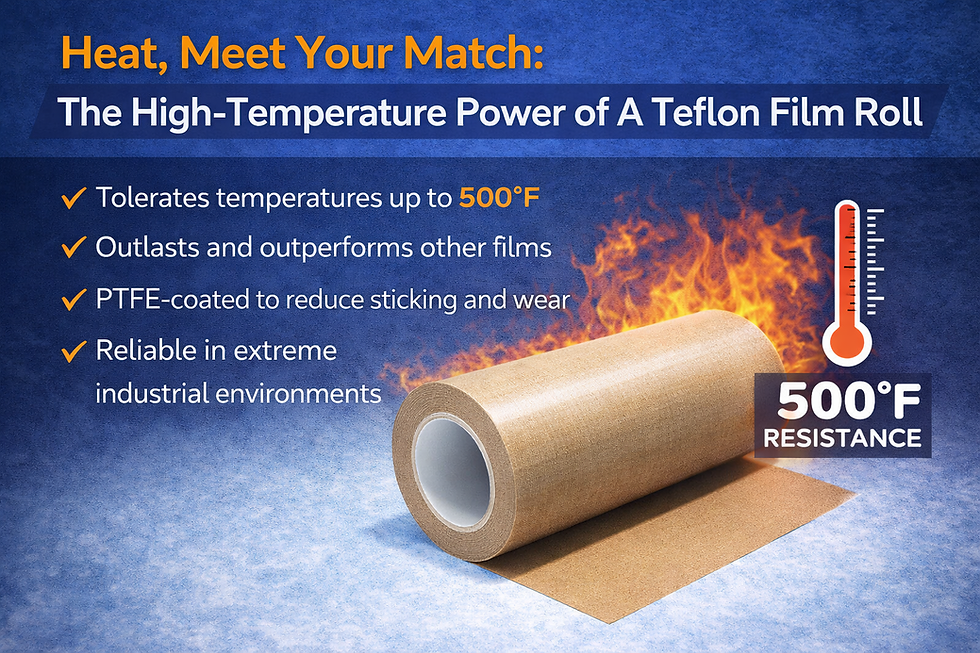
Temperature Resistance
Consider the temperature range the tape will be exposed to. Some tapes can withstand high temperatures, while others may lose adhesion in extreme heat or cold.
Adhesive Strength
Evaluate the strength of the adhesive. For heavy-duty applications, a tape with a stronger adhesive is necessary.
Environmental Conditions
Assess the environmental factors such as moisture, UV exposure, and chemicals. Some tapes are designed to resist these conditions better than others.
Application Method
Think about how the tape will be applied. Some tapes require specific tools or techniques for optimal performance.
Common Applications of Industrial Adhesive Tapes
Understanding the applications of different adhesive tapes can help you make a more informed choice. Here are some common uses:
Automotive Industry: Tapes are used for masking during painting, securing components, and insulating electrical connections.
Construction: Tapes are essential for sealing joints, insulating materials, and protecting surfaces during construction projects.
HVAC: Duct tape and foam tape are commonly used for sealing ducts and insulating pipes.
Electronics: Electrical tape is crucial for insulating wires and preventing short circuits in electronic devices.
Tips for Proper Application
To ensure the best performance from your adhesive tape, follow these tips:
Clean the Surface: Make sure the surfaces are clean and dry before applying the tape. Dust, grease, or moisture can affect adhesion.
Apply Even Pressure: When applying the tape, use even pressure to ensure a strong bond.
Cut to Size: Cut the tape to the desired length before application to avoid waste and ensure a clean finish.
Store Properly: Keep adhesive tapes in a cool, dry place to maintain their effectiveness.
Conclusion
Choosing the right industrial adhesive tape is essential for achieving optimal results in your projects. By understanding the different types of tapes, their applications, and the factors to consider, you can make an informed decision that meets your specific needs. Whether you are in the automotive, construction, or electronics industry, the right tape can enhance your efficiency and the quality of your work.
As you move forward, take the time to evaluate your requirements and select the adhesive tape that best fits your application. With the right choice, you can ensure strong bonds, effective insulation, and successful project outcomes.

Comments